


Fakeit: Imposter Game
4.5670.00 Reviews
App Specs
- Version
- 1.26.0
- Updated On
- License
- Free
- Downloads
- 5,000,000+
- Developer
- smak apps
- Categories
- Word
- Platform
- Android, iOS
Screenshots

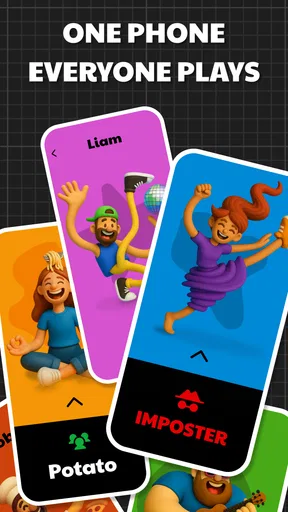
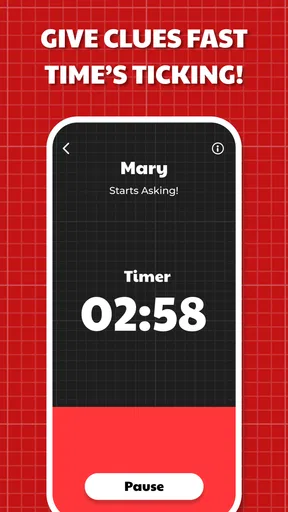
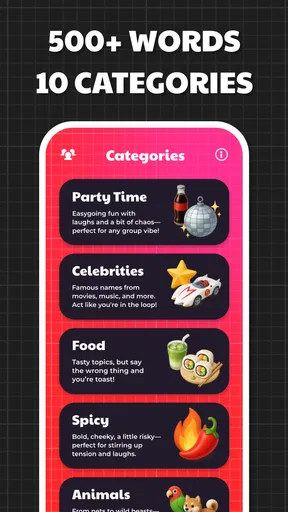
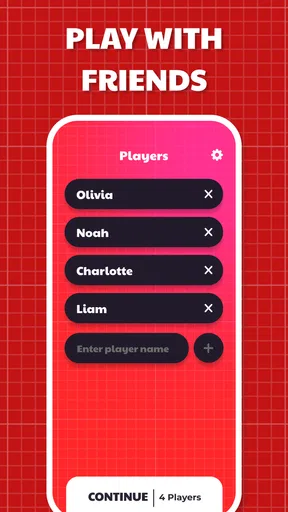
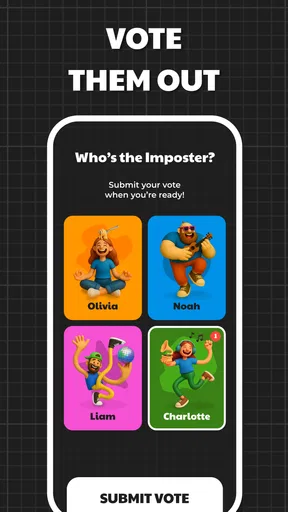
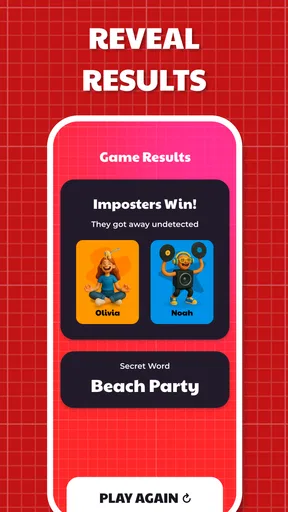
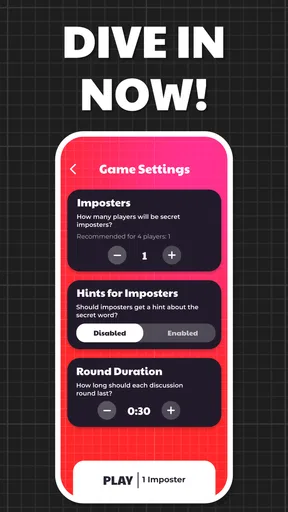
 Analysis by AppCompare
I tend to judge a party game by what happens after the first round: does the group want another, and does it still work when not everyone knows the rules? Imposter Game: Who Is — Fakeit is built around guessing who is bluffing, so its appeal depends less on deep solo progression and more on having people ready to talk, accuse, and defend themselves. That makes it a very particular kind of word game: potentially lively with the right group, but not a substitute for a quiet puzzle session.
What the free starting point means
The game is free to download, which makes trying it with a group an easy commitment. There are in-app purchases priced from $7.99 to $59.99 per item, so “free” describes the starting point, not necessarily every optional purchase. I would begin without spending anything and see whether the core social guessing is a good fit before considering paid extras. That is the clearest way to judge its value: the conversation around the game should be enjoyable on its own, rather than relying on a purchase to make a gathering fun.
Its 4.6 average from around 18,000 ratings, alongside over a million installs, suggests that plenty of players have tried it, but those figures don’t tell me whether my own group will click with it. The age rating is Everyone, so it can suit mixed-age gatherings, though the fun still depends on players being comfortable speaking up and playfully questioning one another. smak apps is the developer, and the game is listed as free; I would treat any purchase as optional rather than assume it is needed to enjoy a session.
Where the value comes from
The strongest value here is social rather than numerical. A round gives a group a shared topic and a reason to pay attention to how everyone responds. The word-game framing can make the activity feel more focused than simply chatting, while the impostor premise gives even a short session a clear source of suspense. For a family visit, a break with classmates, or a casual evening with friends, that can be enough to turn a few spare minutes into a proper group activity.
A useful way to make a first session less awkward is to agree on the tone before starting. If your friends prefer gentle teasing, keep accusations light; if everyone enjoys bluffing, let people make a case for themselves. That small bit of expectation-setting matters in a game built around suspicion. It helps shy players join in without making the conversation feel like a test, and it keeps confident players from dominating every exchange.
The trade-offs to keep in mind
This is not the best pick if you want a substantial solo word challenge, a calm game to play in silence, or a long campaign with a personal story. Its central appeal is the group dynamic, so a quiet room or a group unwilling to talk can leave the main idea with little room to work. If your usual alternative is a crossword or a word-search app, those are better for independent play; if you want a shared deduction game, this one is closer to the right mood.
It also asks players to accept a degree of social uncertainty. People who dislike being put on the spot may find the bluffing and accusation format uncomfortable, even when everyone is friendly. I would not spring it on a group that prefers cooperative games with no deception. For a mixed gathering, a quick explanation and a low-pressure first round are more useful than expecting everyone to jump straight into competitive banter.
Worth Reading Before You Choose

Flipboard Shows What News Apps Must Do Beyond the Feed

Switching to Android Auto Means Rethinking Your Driving Routine

Google Calendar Makes a Crowded Week Easier to Manage

Ludo King Makes the Most of the Minutes Between Plans

Baby Panda World Brings Quick Play to Modern Phones, but Its Game Library Feels Busy

ESPN’s Live Game View Makes Following Close Games Easier
Who is likely to enjoy it?
I’d recommend giving it a try if your group enjoys wordplay, reading reactions, and debating a suspicion without taking the result too seriously. It suits people who can make a game out of a short gap in the evening, rather than players who need a large ruleset or a carefully planned game night. One practical scenario is waiting for food to arrive at home: instead of everyone scrolling separately, a group can use the shared round to start talking, then stop when the meal is ready.
On the other hand, if you mostly play alone, prefer predictable puzzles, or find bluffing stressful, I would choose a different word game. The distinction is important: the category label may suggest vocabulary practice, but the attraction here is the social deduction wrapped around words, not necessarily a test of spelling or a way to build language skills. It is best approached as a party activity first.
Getting Into the Game
First things first, downloading Imposter Game: Who Is — Fakeit was a breeze. Available on both Android and iOS, it took just a few clicks, and I was ready to dive into the world of imposters and crewmates. The game’s interface is intuitive, making it easy to navigate even for those who aren’t tech-savvy.
The Gameplay Experience
The premise of the game is simple yet utterly addictive. You’re either a crewmate trying to complete tasks or an imposter trying to wreak havoc without getting caught. The tension builds as players try to figure out who the imposter is, leading to some intense and hilarious debates.
The graphics are colorful and engaging, adding to the overall immersive experience. I found myself losing track of time, engrossed in the strategic gameplay and the thrill of deceiving (or detecting) fellow players.
Features That Stand Out
One of the standout features is the online multiplayer mode, which connects you with players from around the globe. This feature adds an element of unpredictability to each game, keeping things fresh and exciting. The voice chat option is a game-changer, allowing players to communicate and strategize—or deceive—more effectively.
The customization options are also worth mentioning. You can personalize your character with various skins and accessories, which makes the game feel more personal and fun. I particularly enjoyed mixing and matching outfits to create my unique look.
Making a round work for your group
For a first try, I’d keep the group together and explain the social aim plainly: listen to what people say, ask questions, and make a case rather than treating every hesitation as proof. A useful habit is to give quieter players a chance to speak before the most confident person announces a verdict. That makes the discussion more interesting and gives the impostor a fair chance to blend in without turning the round into a shouting match.
It also helps to treat each session as a short activity rather than promising an entire evening of play. If the group is laughing and debating, continue; if people are ready to move on, the format is easy to set aside. This is a small but meaningful advantage over party games that need a long setup or a full table of committed players. The game is most valuable when it fits the energy of the room, not when everyone is pressured to keep playing.
Questions worth settling before you start
Would I use it alone? I wouldn’t choose it for that: the appeal described by its party format comes from other people’s guesses and reactions. Is it suitable for younger players? Its Everyone age rating makes it broadly accessible, but I’d still consider whether the children in the group enjoy playful deception and can take accusations as part of the game. Is it a good replacement for a word puzzle? Only if the group interaction is what you want; for a solitary vocabulary challenge, a conventional puzzle is a better match.
Another practical question is whether to pay. Since the game is free to start and purchases are optional, I’d first see how often the group actually returns to it. A purchase makes more sense only if the specific paid content matters to you; the listed range alone does not make every item worthwhile for every player. And if the main concern is uninterrupted play, check what the current version offers before deciding, rather than assuming that paying automatically improves every part of the experience.
Why You'll Love It
If you enjoy games that test your strategic thinking and social skills, Imposter Game: Who Is — Fakeit will be right up your alley. The blend of teamwork and treachery keeps you on your toes, and the satisfaction of successfully deceiving your friends (or catching them in the act) is unmatched.
Moreover, the developers frequently update the game with new features and bug fixes, ensuring a smooth and evolving gameplay experience. This commitment to improvement is something I really appreciate, as it shows they value the player's experience.
Room for Improvement
While the game is a blast, there are a few areas that could use some tweaks. Occasionally, I encountered some connectivity issues, which can be a bit frustrating during an intense match. However, these instances were rare and didn’t detract from the overall fun.
Another point is the learning curve for new players. Although the game is straightforward, mastering the art of deception takes practice. But hey, that’s part of the fun, right?
Lastly, like many free-to-play games, there are ads. While they aren’t overly intrusive, a few players might find them a bit distracting. Fortunately, there’s an option to remove ads for a small fee, which is a nice touch for those who prefer an uninterrupted experience.
Final Thoughts
In conclusion, Imposter Game: Who Is — Fakeit is a delightful mix of strategy, social interaction, and suspense. Whether you’re playing with friends or strangers, each session is a unique adventure. If you’re looking for a game that offers endless fun and keeps you guessing, give this one a go. Trust me, you won’t regret it!
Ready to jump into the chaos? Download Imposter Game: Who Is — Fakeit now and see if you have what it takes to survive the mayhem!
Pros
- Engaging multiplayer gameplay.
- Easy to learn for new players.
- Frequent updates with new content.
- Customizable characters and settings.
- Cross-platform compatibility.
Cons
- In-app purchases can be costly.
- Occasional server connectivity issues.
- Limited solo play options.
- Ads can be intrusive at times.
- Some tasks feel repetitive.
FAQs for Fakeit: Imposter Game
What is the main objective of Imposter Game: Who Is — Fakeit?
In Imposter Game: Who Is — Fakeit, the main objective is to identify the imposter among the crew members before they sabotage the mission. Players must complete tasks while keeping an eye on suspicious behavior. The game tests your deduction skills and teamwork as you work to uncover the imposter's identity.
Is Imposter Game: Who Is — Fakeit suitable for children?
Imposter Game: Who Is — Fakeit is generally suitable for older children and teens due to its themes of deception and strategy. However, it involves critical thinking and can be intense, so parental guidance is recommended for younger players to ensure they understand the gameplay dynamics and social interactions involved.
Does the game require an internet connection to play?
Yes, Imposter Game: Who Is — Fakeit requires an internet connection to play as it is a multiplayer game. Players need to connect with others online to participate in sessions and collaborate or deceive in real-time, ensuring an engaging and socially interactive experience.
Are there in-app purchases in Imposter Game: Who Is — Fakeit?
Imposter Game: Who Is — Fakeit offers in-app purchases, allowing players to buy cosmetic items, skins, and other customizations. While these purchases enhance the visual experience, they do not affect gameplay, maintaining a level playing field where strategy and skill are the keys to success.
Can I play Imposter Game: Who Is — Fakeit with friends?
Absolutely! Imposter Game: Who Is — Fakeit is designed to be played with friends. You can create private rooms and invite your friends to join, making it a fun and interactive way to test your friendships and strategy skills. Communication and teamwork are crucial to identifying the imposter together.


